Why Trent Reznor’s magnum opus is still as relevant and extreme as ever.
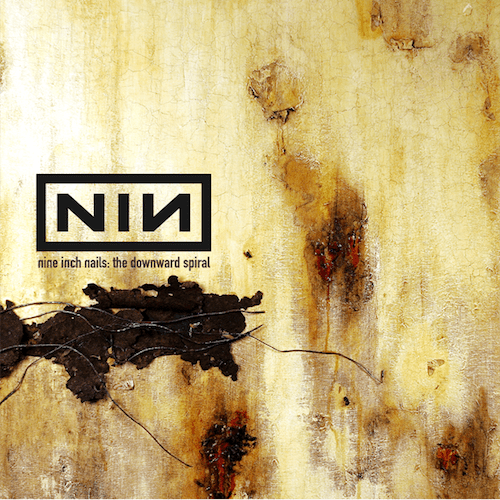
The album begins with a sample from George Lucas’ THX 1138, where a man is beaten by a prison guard. The hits get faster until they match the tempo of the first song, ‘Mr Self-Destruct’ – which arrives as a barrage of rhythmic noise. Kind of sets the scene better than a “1.2.3.4.” I’d say.
The tracks that follow all tie into a concept; they detail a man’s struggle with drug addiction as he traverses through themes of religion, sex and politics, eventually taking his own life in the penultimate song. The final track, ‘Hurt’, then plays like an end credit. While certainly not autobiographical, Trent Reznor reveals that the dissatisfactions with relationships, religion and government on the record were similar to those he had while recording it. In an interview with Rolling Stone, he commented: “[I] have nothing to preach to anyone about except: this is how I feel – if you can relate to that, great.”
The Downward Spiral generally operates on the same industrial rock sound that made Nine Inch Nails a household name in the early 90s. However, the amount of nuance to be uncovered within the instrumentation is staggering. Consider the step-up in complexity from 1989’s Pretty Hate Machine to the Broken EP (some parts where recorded the same year as Downward Spiral) – he basically develops this idea tenfold here, synthesising a dense, immersive and abrasive listen. As cathartic as the record is, though, there are moments of serene beauty (take the piano line near the end of ‘Piggy’, for example) that demonstrate Reznor’s mature approach to soundscapes.
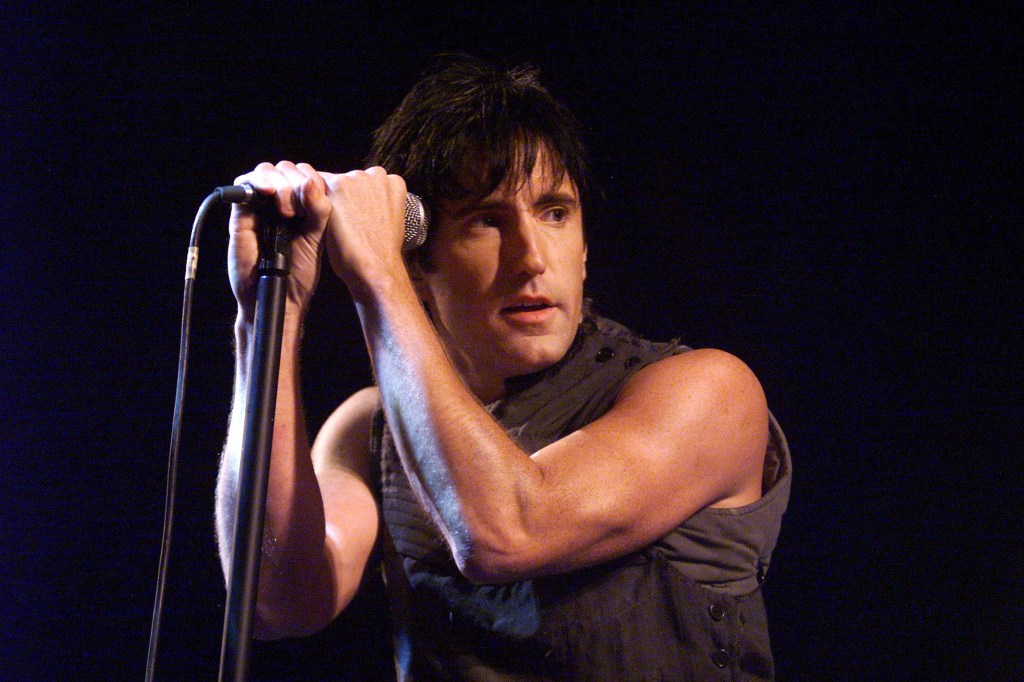
One musical device that sets The Downward Spiral apart from Nine Inch Nails’ previous work (and the genre in general) is the use of odd times, specifically 7/8. Its use is subtle, and may require hard listening to notice at first, but the skittering freak-out of ‘March of the Pigs’ & ‘The Becoming’s slow trudge are both made darker and more demonic by the inclusion of a 7/8-time signature.
Steve Huey wrote for Allmusic that track 5 – ‘Closer’ – “made [Reznor] a postmodern shaman for the ‘90s”, and from the first few moments it feels like the single – the one that mattered in 1994. When those steady drums (lifted from an equally sleazy Iggy Pop tune – a key influence, perhaps?) break the silence, you can’t help but experience the same kind of anticipation that 90s listeners surely felt. Despite the song being Nine Inch Nails at their catchiest, lines like “my whole existence is flawed” and the inclusion of abrasive drums near the end prevent it from sounding mainstream. In fact, I’d say that’s a major reason why The Downward Spiral aged so well: it struck a balance between pop commercialism and unfiltered artistry.
In short, the product of one man’s ideas comes to fruition in a scintillating and extreme display, that is conceptual as well as (dare I say it) totally fun to listen to. Released to instant success, The Downward Spiral has only seen more – for example, through its inclusion at #201 on Rolling Stone’s 2012 list of their 500 Greatest Albums of All Time. Moreover, the instrumentation which both accurately dates the album, yet also makes it sound quite unlike anything else, makes for a relevant – if not crucial – listen in 2019.
 Lou Likes Music