While understandable, the backlash surrounding this genre is short-sighted and could foreseeably do more harm than good.
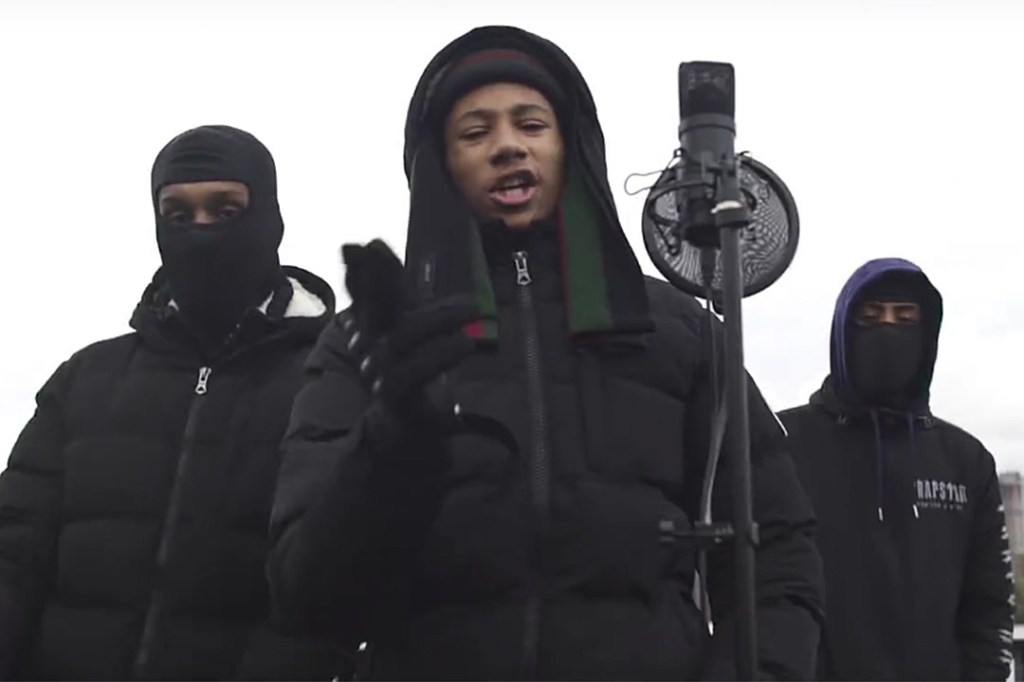
Statistics from the Met Police suggest “London’s murder rate has surged by 44 per cent in a year”, which The Sunday Times are quite casually putting down to a “new form of music”. Detective Superintendent Mike West would argue that “what looks like a music video can actually contain explicit language with gangs threatening each other.” Granted, authorities are often flummoxed by explicit material, but surely someone’s basement-raps-over-laptop beats aren’t the problem here?
To me, its unfounded to attack a genre as an entity. Regardless, police have asked YouTube to take down “between 50 and 60 videos” according to The Independent in an attempt to discourage their creators, whether criminal or not, from committing violent acts.
From a statistical point of view, the Sunday Times’ notion that “murders and stabbings plaguing London and other cities are directly linked to an ultra-violent new form of music sweeping Britain” makes sense. After all, it’s easy to blame the “new” when confronted with unsavoury statistics. However, I feel that they miss the point; it’s crime that drives the crime rate, not the music. Drill music is a mere reflection of what’s already going on, and by banning it you only serve to drive the problem underground. Drill DJ Bempah rightly adds that music “can glamorise [violent crime], but it can’t force you hand to commit those actions” in a discussion for The BBC which is telling.
It’s also interesting to consider other extreme-music subcultures that exist today, for example: black metal – a genre which thrives in the underground. For some background, the black metal acts Saor & Funereal Presence currently reside in the top 20 of Rate Your Music’s top albums of 2019 chart. The imagery and lyrics of this genre could arguably incite suicide in the same way that Drill music supposedly promotes murder, however you don’t see authorities banning these musicians from making black metal. I’d say it’s that inconsistency that makes the censorship of Drill music not sit right.
Paloma faith, in a discussion for The Guardian adds: “you can’t just think that if you take away the genre of music that it won’t happen in another manifestation”, which I find thought-provoking. It’s the notion of “another manifestation”, perhaps more destructive than constructive, that leads me to believe the censorship of Drill could cause more harm than good.
In short, Drill music should be treated with same respect other “extreme” styles of music (black metal, for example) do these days, and while it’s perhaps advisable to keep an eye on those making the more explicit songs, it’s be short-sighted (and even harmful) for police action to be taken on anyone and everyone, simply based on what genre of music they create.

 Lou Likes Music